
I can usually tell within thirty seconds of walking into a room whether it has a story or not.
It’s not about age, exactly, or even architecture. It’s a feeling — that something has happened here before I arrived. Less a lingering conversation, more the specific feeling of someone who told themselves they were just stopping in for one glass, and somehow didn’t leave until well past midnight. A room that existed in its own right long before it became a place I could walk into. I’m not interested in spaces that were built to impress me. I’m interested in spaces that feel like they’d go on being themselves whether I showed up or not.
That’s why I’ve always been drawn to discovery over declaration. I don’t want the grand entrance, the obvious front door, the room you can see the second you walk in. I want the unmarked door. The stairwell that doesn’t look like it leads anywhere interesting. The room tucked behind another room. There’s a version of hospitality that announces itself, and there’s a version that waits to be found — and the second one is the only kind that has ever really held my attention. Being found feels earned. Being obvious just feels loud.
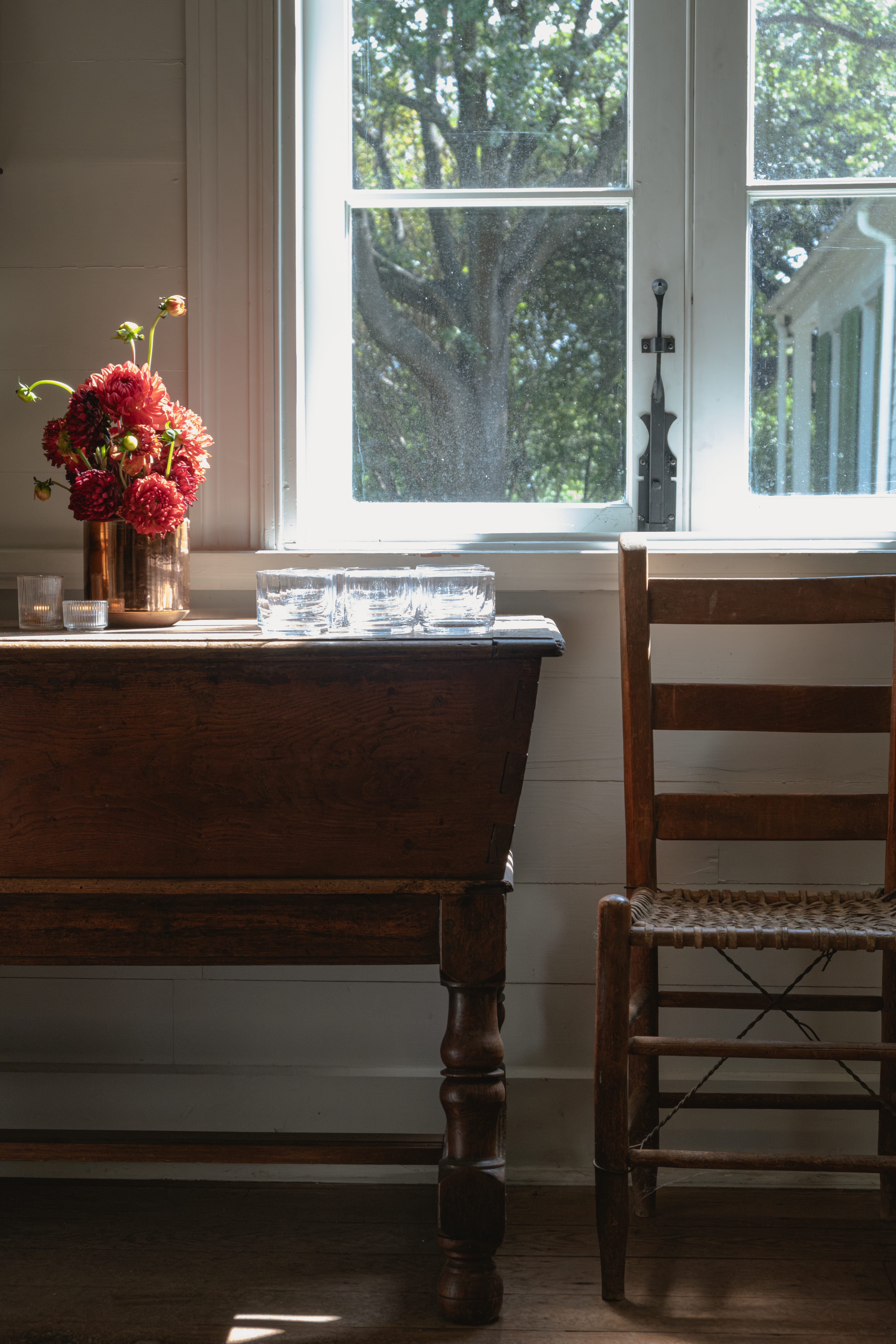
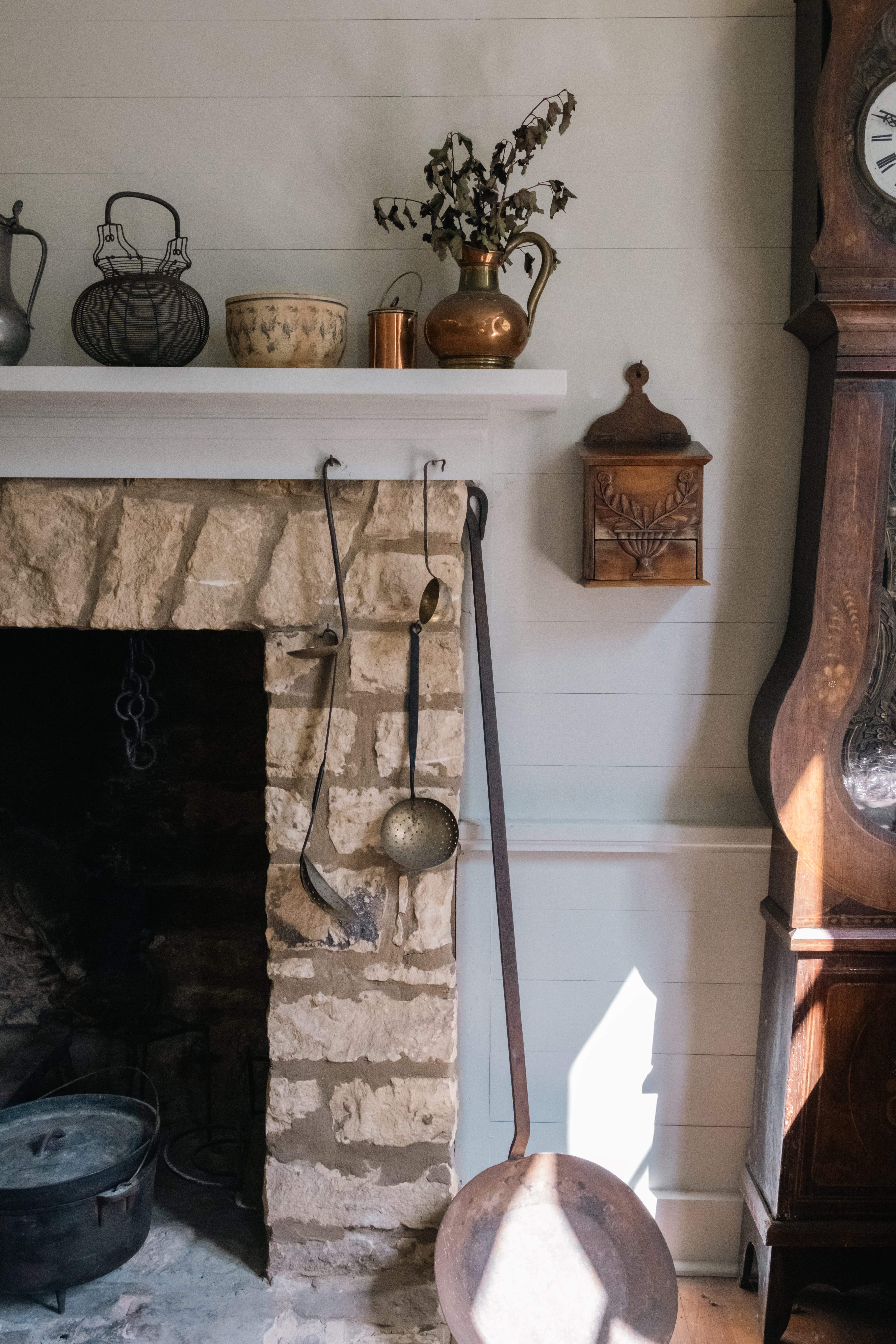
Once I’m inside, what I’m really searching for is character — and character almost always announces itself through imperfection. The dings worn into an old baseboard from decades of chairs and furniture being pushed in and out. Black-and-white tile gone soft and pale in one particular spot from a hundred nights of stiletto heels. A chair that doesn’t match the one next to it because it faded from the sunlight coming through the window pane. Warm light — candlelight especially, or anything that flickers rather than hums. Walls that have absorbed decades of smoke and conversation and spilled wine and are better for it. Perfection reads as new, and new has no story yet. I’d rather sit in a room with a limp in its step than one that’s trying too hard to be right.
Scale matters more than people give it credit for. My favorite rooms are the ones sized so that you could, if you wanted to, speak to nearly everyone in them — not because it’s small, but because it flows. There’s an intimacy in that kind of proportion that no amount of square footage or design budget can manufacture. A room either invites the whole table into one conversation, or it doesn’t.
And then there’s movement — which might be the thing I think about more than anything else when I imagine a night. I don’t want one static room for an entire evening. I want dinner on a patio under string lights or candlelight, and then a shift — through a doorway you didn’t clock on the way in, into a smaller room with different light and a different pour, for the last hour of the night. Moving from outdoors to in, or from one space into a room you didn’t know was there, changes the emotional temperature of an evening in a way that staying put never can. The best nights have chapters.
Every time I walk into a space like this, I can’t help but start imagining. Where the dinner would go. Where people would end up with a glass in hand by the end of the night. How I’d light it. What arrival would feel like — the first ten seconds, before anyone says a word. Who I’d invite. It’s less about the room as it exists and more about the room as it could become in someone else’s hands, for one particular night, with one particular group of people.
I think this is really what I’m chasing whenever I look for a space, a hotel, a table, a room to build something in. Not the most beautiful room in the city. The room that already has a story — and enough possibility left in it for one more.